
What rate to charge per training session — benchmark and calculator
A concrete model for setting your rate: location, fixed costs, monthly target and positioning. Plus when and how to raise prices without losing clients.
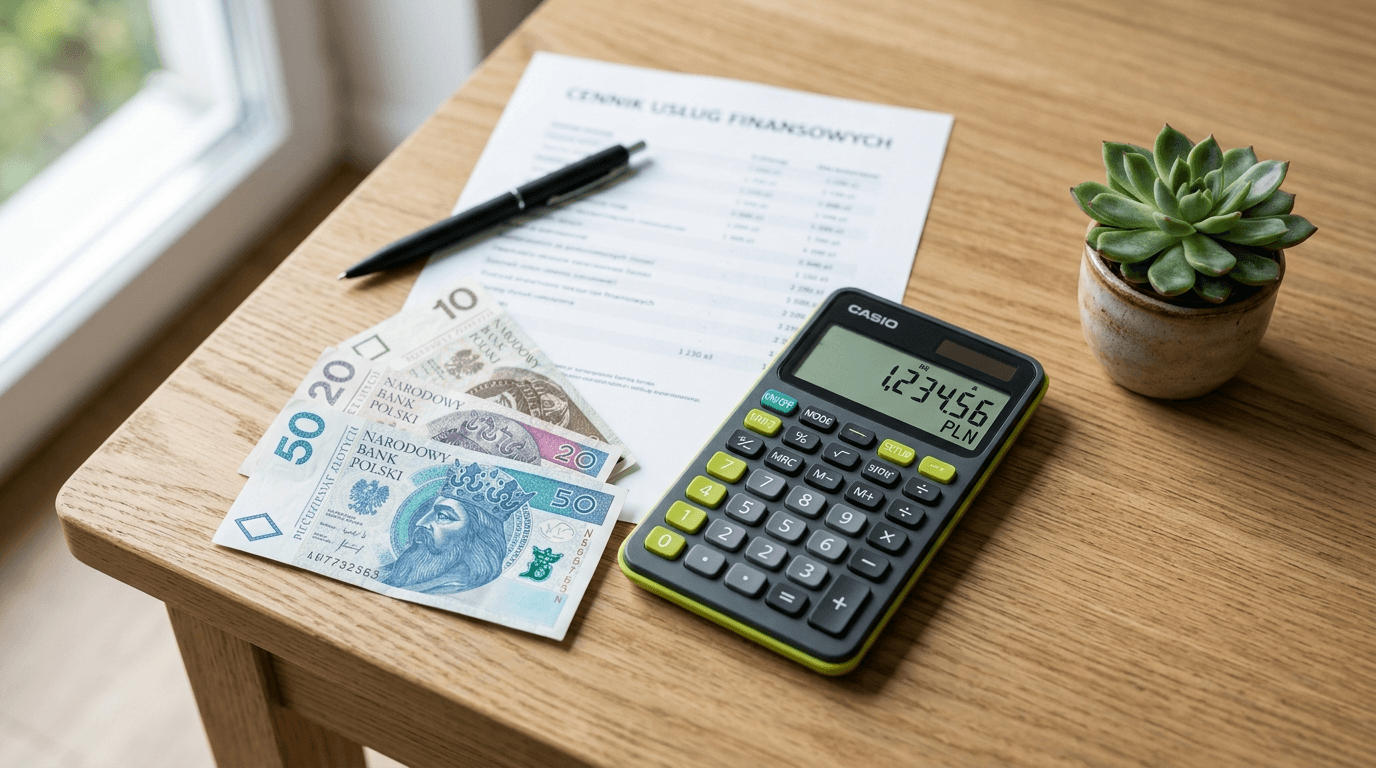
Personal trainer rates in 2026 range from $25 to $250+. "Market average" is a fiction — your rate should derive from three things: fixed costs, monthly take-home target, and positioning. Here's the concrete model.
Rate calculator — 4 variables
Instead of guessing, work backward: what take-home do you want, divided by realistic session count, plus costs.
Step 1: set your monthly take-home target. Say $5 000.
Step 2: add fixed costs. For a full-time trainer 2+ years in:
- Self-employment tax (~15–30% depending on country)
- Health insurance: $300–700
- Studio rent or gym commission: $400–800
- Tools (calendar, payments, plans): $20–60
- Marketing, equipment, insurance, certifications: $200–400
Total costs: ~$1 500–2 500.
Step 3: calculate required gross:
$5 000 (take-home) + $2 000 (costs) = $7 000/month gross
Step 4: divide by realistic session count. "Realistic" means: how many sessions you can sustain without burnout, accounting for vacation, sick days and empty slots (cancellations).
- 5 days × 5 sessions × 4 weeks = 100 theoretical sessions
- Minus 15% cancellations + 1 week vacation = ~80 real sessions
$7 000 / 80 sessions = $87 per session
That's your minimum rate. Anything below means working nights or burning out trying to hold 100+ sessions.
What pushes the rate up
- Location: in-home training or private studio +30–50%. Less travel time, higher perceived value.
- Specialization: post-rehab, combat sports, sport-specific prep, post-natal +20–40%. Less competition, clients seek you specifically.
- Personal brand (5k+ engaged Instagram followers, recognized client references) +30–60%. Clients pay for the name, not just the workout.
- Package vs single: package has 10–20% discount, but client buys 10 sessions upfront = cash flow predictability. Average price drops, total revenue rises.
What pulls it down
- Chain gym contract (Equinox, Lifetime, Planet Fitness): gym takes 30–50%. Your real rate drops, but the gym supplies clients.
- Corporate wellness / insurance programs: quick access to client base, but rates typically 20–30% below private cash clients.
- Single sessions without packages: client pays full rate but returns rarely. Math: 6 single sessions × $80 = $480 vs package 10 × $70 = $700.
When and how to raise rates
Simple rule: raise every 12 months by 10–15%, starting at month 9 of your practice. Three things that work:
-
Announce 30 days in advance. "Starting July 1, rate goes from $80 → $90. Packages purchased before July 1 lock in the old rate." Client feels control, not surprise.
-
Pair the raise with a concrete upgrade. "From July, every client gets a workout plan in the app + video exercise library access." Client pays more for more, not just more.
-
Keep packages cheaper than singles. After raise: single = $90, package of 10 = $82/session. Client stays because the package math works.
Expect 2–4 clients out of 30 to leave. Math: 26 clients × $90 > 30 × $80. You earn more while working less.
Most common pricing mistakes
- Rate "to stay competitive." Local competition might be 5 trainers, half charging $40 and earning poorly. Don't race them.
- No package in the pricelist. Client wants "buy 10 get 10% off". Give it upfront.
- Complex tiered pricing. "$60 mornings, $80 afternoons, $100 weekends, +$20 in-home, -$10 insurance card." Client gets lost. Max 3 tiers.
- No cancellation policy. "Free cancel up to 1h before" = clients cancel Friday evening, you lose $400 in a week. Standard: free cancel up to 24h before, then session is forfeited.
Practical 2026 pricelist example
Trainer with 2-year experience in a mid-size city:
| Type | Price |
|---|---|
| Single session | $80 |
| 5-session package (30-day expiry) | $370 ($74/session) |
| 10-session package (60-day expiry) | $720 ($72/session) |
| 20-session package (120-day expiry) | $1 380 ($69/session) |
| Online consultation | $50 |
| Workout plan (no sessions) | $180/month |
Policy:
- Free cancellation up to 24h before
- Packages don't extend after expiry
- Payment upfront (card / bank transfer)
What's next
Check Training packages — how to structure and sell them with concrete schemes. Plus Online booking system for trainers — must-haves — because packages without a system to deduct sessions = back to Excel.
In Fit.Expert you'll set up a full pricelist with packages in 10 minutes. Clients see everything on your public profile and book themselves. Free account.
Frequently asked questions
What rate should I charge as a beginner trainer?
Mid-size cities: $50–80 per session. Major metros: $80–150. Small towns: $35–60. Don't underprice — raising a rate by 50% on existing clients is nearly impossible.
When should I raise rates?
Every 12 months by 10–15%, starting at month 9. Announce 30 days in advance, pair with an upgrade (mobile app, nutrition consult). Statistically 2–4 out of 30 clients leave; the rest stay — and you earn more.
Should I offer beginner discounts?
Yes, but as 'first consult session 50% off', not 'first month 50% off'. Clients buy the experience, not the discount. They convert to full-price packages.